
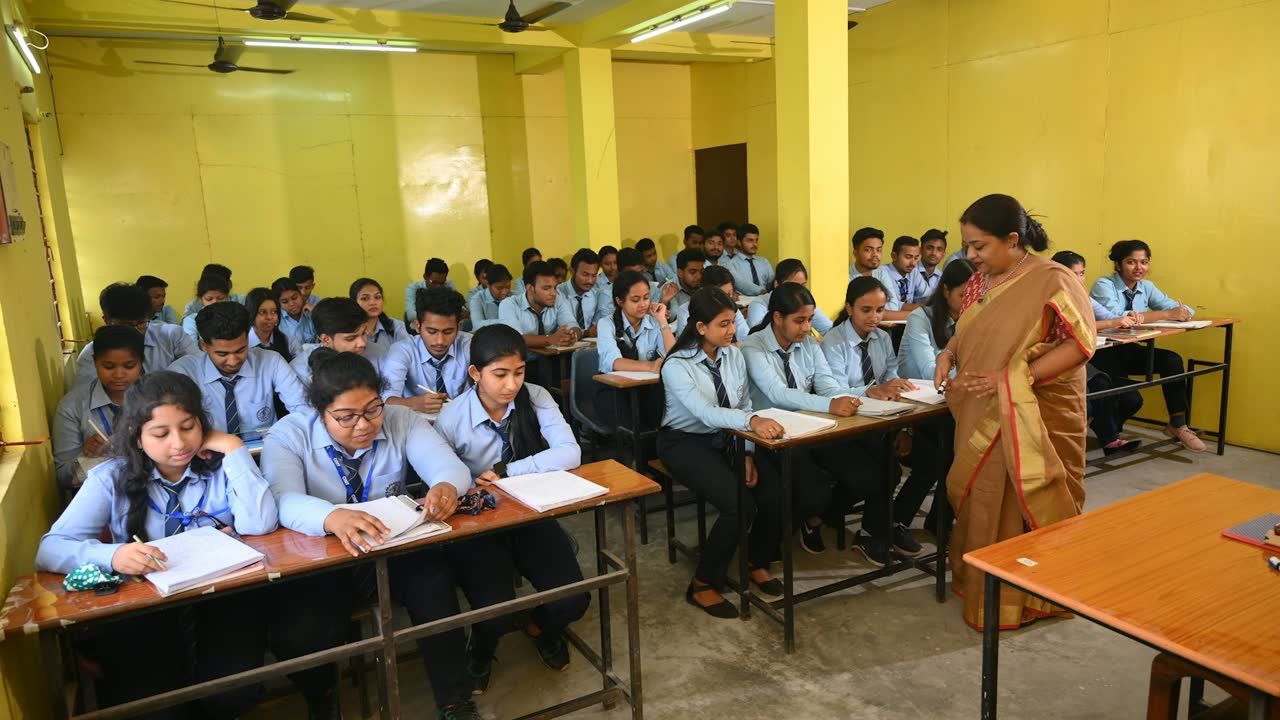
Ask any parent in Bangalore how they shortlisted schools and you'll hear some version of the same answer: friends, Google, and Instagram. Before a family ever books a campus visit, they've usually scrolled through a school's page to get a feel for the place.
That gives a good school a huge advantage, if its page shows what really happens inside the gates. Here is how we approach Instagram for schools and colleges, and what we've learned growing one Bangalore school from 105 followers to about 8,000, with more than 50 new admissions traced to social media in a single year.
Why parents check Instagram before they call
A school website tells parents what the school says about itself. Instagram shows them what it feels like. Parents are looking for answers to quiet questions:
- Do the children look happy here?
- Are the teachers warm and engaged?
- Is the campus safe, clean and well looked after?
- What does a normal day actually look like?
A page that answers these questions with real moments earns trust before the first phone call. A page with three posters and a holiday greeting does the opposite.
What to post: five content pillars that work
You don't need to post every day. You need a steady rhythm of content that shows the real school. We plan most school calendars around five pillars.
1. Everyday campus life
Morning assembly, a science experiment, lunch break, the walk to the bus. These ordinary moments are the most reassuring content a parent can see.
2. Teachers as people
Parents choose teachers as much as buildings. Short reels where a teacher explains how they teach, or why they love their subject, build a connection no brochure can.
3. Student achievement and voice
Results, competitions and sports matter, but so do students talking in their own words. Always follow your school's consent process before featuring a child.
4. Events and celebrations
Annual day, sports day, festivals and field trips are full of energy. Cut them into 20 to 40 second reels rather than posting 60 photos in an album.
5. Answers to admission questions
Fees structure (if you share it), transport routes, the admission process, the curriculum. Turn the questions your front office hears every day into short, friendly videos.
Editing is where attention is won
Most schools already have plenty of footage on teachers' phones. The difference between a reel that gets ignored and one that gets shared is usually the edit:
- A hook in the first second. Start with the most interesting moment, not the school gate.
- Captions on screen. Most people watch with the sound off.
- Pace that matches the music. Cut on movement and on the beat.
- One clear message per reel. "Our labs are hands-on" is better than everything at once.
If you have the footage but not the time, this is the part to hand over. A good editor can turn twenty minutes of phone clips into a reel parents actually watch to the end.
Plan around the admission year
Admissions are seasonal, so your content should be too. A simple rhythm:
- Several months before admissions open: build trust with campus life, teachers and achievements. Grow followers in your neighbourhood.
- When admissions open: add admission-focused reels, open-day invitations and answers to common questions.
- During the admission window: run Meta ads to parents near your school, and make it easy to enquire.
- After admissions close: keep posting. Next year's parents are already watching.
Starting early matters. A page with months of real content converts far better than one that wakes up the week admissions open.
Use Meta ads to reach parents near you
Organic posts build trust with people who already follow you. Ads put your best reels in front of parents who don't know you yet.
For schools, the most useful setup is usually simple:
- Target by location: parents within a sensible commuting distance of your campus.
- Use your best-performing reels as ads, not new poster designs.
- Use Click-to-WhatsApp campaigns, so a parent can message your admissions team in one tap.
Parents in India prefer WhatsApp to forms and email. Sending enquiries straight there removes friction and lets your team reply personally.
Measure enquiries, not likes
Likes and views are encouraging, but they don't fill classrooms. Track what matters:
- How many admission enquiries came from Instagram and ads each month
- How many of those booked a campus visit
- How many became admissions
When we report to schools, we report in these numbers. It keeps everyone focused on the outcome, and it shows which content is doing the real work.
Common mistakes to avoid
- Posting only posters and greetings. They tell parents nothing about the school.
- Long, unedited videos. A five-minute annual day recording rarely gets watched.
- Going quiet after admissions. Momentum takes months to rebuild.
- No clear next step. Every bio and ad should make it obvious how to enquire.
Getting started
You don't need a big team. You need a plan, a steady rhythm and edits that capture attention. Start with the five pillars, plan around your admission year, and measure enquiries.
If you'd like a second opinion on your school's page, ask for a free Instagram audit. We'll look at it personally and send you a short video with what to fix first. You can also see how we work with schools on our schools and colleges page.
 Schools
 Editing